
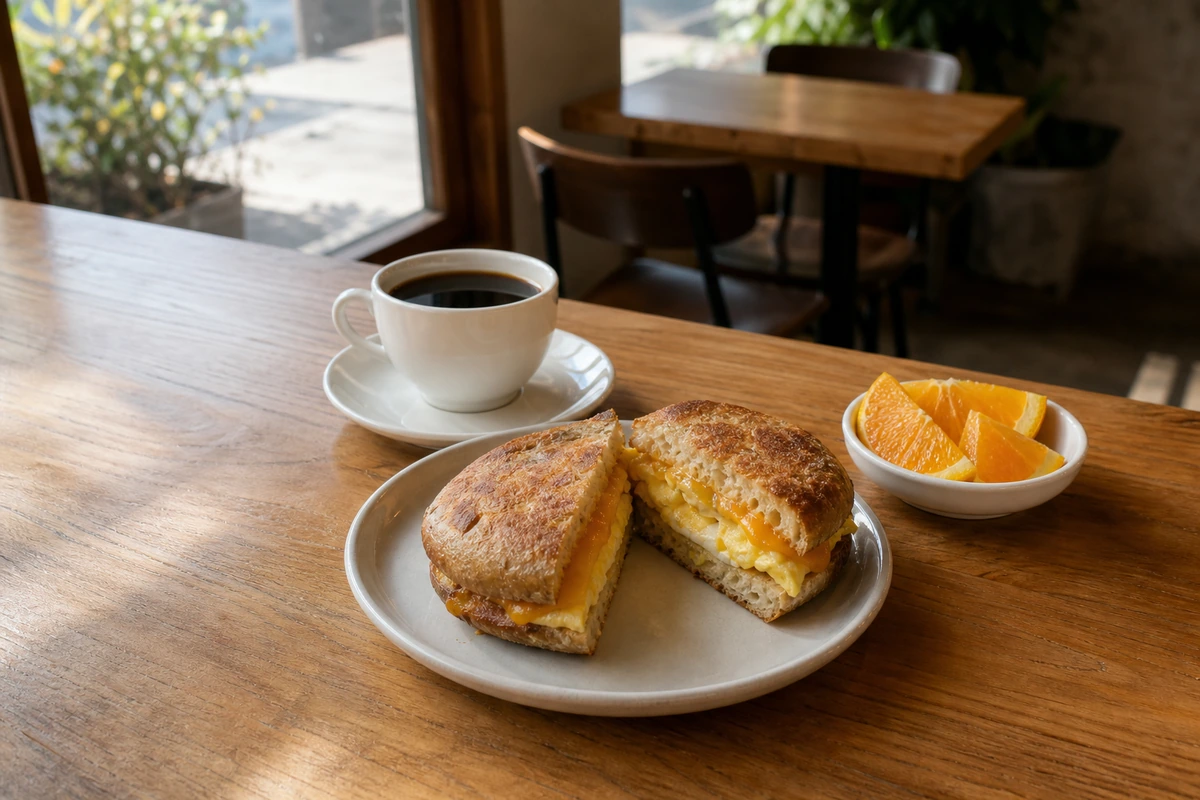
AI-generated editorial image. This illustrative scene is not a photograph of Subway or a documented breakfast trial.
Start with one morning guest occasion, a small menu and a limited set of trial dates. Make the offer easy to find and buy, then compare breakfast contribution with the extra cost of opening. Track whether the trial adds visits or shifts existing ones. Expand only when demand, service and repeat interest justify the commitment.
Subway is looking beyond the lunch visit
In its October 8, 2026 company announcement, Subway introduced Blueprint, a new restaurant and brand experience for Europe, the Middle East and Africa. The plan includes a new breakfast range and coffee offer, alongside other dining occasions. Subway says new restaurants and remodels in the region will use Blueprint from January 1, 2027; individual additions will depend on the site and local demand.
QSR Magazine's October 12 coverage describes the broader effort to attract guests throughout the day. For an independent restaurant, the relevant question is narrower than a redesign: could a specific breakfast occasion bring in guests who do not currently have a reason to visit?
The announcement is Subway's account of its own strategy, not independent evidence that breakfast will increase another restaurant's sales or profit. Neither source provides breakfast trial results for your market. Treat the example as a prompt to investigate demand, not a reason to copy the chain's menu, equipment or opening hours.
Choose the morning visit you want to earn
Breakfast is too broad to be a useful test. A commuter needing a quick coffee and sandwich has a different job to do from a parent meeting a friend after school drop-off. Choose one occasion that fits your location, current kitchen and service style.
Write the offer in a sentence a guest can act on: what they can get, when it is available and how they receive it. Avoid launching a large breakfast menu to discover whether anyone wants breakfast. A focused offer makes the guest decision clearer and the trial easier to interpret.
- For a commuter visit, check the actual morning approach, parking or walking route and realistic pickup time.
- For a seated visit, check whether the room, table service and visit length fit the guest's morning schedule.
- Look for evidence in existing early orders, guest requests and nearby routines; do not mistake general enthusiasm for a purchase.
Run a bounded trial, not a permanent hours change
If you already serve during the relevant morning window, test the offer within those hours first. If you normally open later, a breakfast test may require some earlier staffing. Keep that commitment limited to clearly announced trial dates rather than changing your ongoing schedule before you have evidence.
Build a small menu around ingredients and preparation you can handle reliably. Cost it before promoting it, identify who owns preparation and service, and decide what happens when an item runs out. A reservation or preorder option can help you plan production if it suits your business, but expressions of interest alone do not establish dependable demand.
Set your continuation rules before the first service. Use your own required contribution, acceptable waste and capacity limits; there is no universal order target that makes a breakfast trial worthwhile.
Make the first morning purchase easy
Publish the exact trial dates, service window, offer and price wherever guests will encounter it. Send the guest to the matching ordering, booking or information page rather than expecting them to search a general menu. If the trial has a limit or cutoff, make that visible before someone travels or places an order.
Walk through the visit yourself. Check that a guest can find the correct location, reach the right entrance, identify the breakfast offer and receive it through the promised service route. Test a real small order with the team and make sure it arrives with the correct items and timing.
Keep the starting offer stable across comparable trial dates. If you change the price, menu, promotion and service window together, you may get sales without learning which part deserves a repeat.
Measure contribution, not just breakfast receipts
Record breakfast sales net of discounts and refunds, then use one consistent method to account for food, packaging and other variable order costs. Compare what remains with the additional staffing and opening costs caused by the trial. Include preparation and cleanup time, not just the minutes the doors are open.
In plain terms, the trial needs enough contribution from its orders to cover the incremental cost of serving them. Calculate that using your restaurant's actual mix and costs. Do not apply a margin or sales target borrowed from a chain announcement.
Also record unsold food, remakes, delays and any effect on the next service. Breakfast that looks busy but leaves the lunch team behind schedule may not be creating the growth you want.
- Track order count, net sales, average order value and item mix for the exact trial window.
- Keep additional labor, ingredient waste and opening-related costs visible in the same trial record.
- Compare similar weekdays and account for unusual weather, nearby events or other promotions before interpreting a change.
Separate new visits from visits that moved
A regular guest buying breakfast instead of their usual lunch is not necessarily an added visit. Look at the trial window and the restaurant's broader trading pattern together. A short, optional question about whether this was a first visit or an additional visit can provide context, but self-reported answers are not a complete measurement system.
Keep repeat interest separate from opening-day curiosity. Offer a clear next breakfast date and, where guests have chosen to receive messages, a simple reminder. Track a later completed visit rather than calling a signup, click or promise to return a success.
A small local pilot cannot prove what would have happened without the offer. Use the results to make a better decision, while remaining honest about seasonality, small samples and other changes in the business.
Earn the next morning before expanding
After the trial, choose between continuing the same offer, changing one important element or stopping. A good next step might be repeating the same morning window rather than adding more hours, more dishes and another ordering route at once.
Earlier permanent opening becomes easier to justify when guests can buy the offer reliably, its contribution supports the added commitment and demand appears beyond the launch date. If those conditions are missing, the useful result is knowing what not to expand.
Subway's plans illustrate a search for more dining occasions. Your version should begin with one morning visit that makes sense for your guests and your restaurant, then earn the right to become a habit.
Submit a restaurant or local business.
Share the business details, useful links, and what makes the place worth knowing for possible Restaurant Tech Report coverage.
FAQ
Do I need to open earlier to test breakfast?
Not if you already serve during the morning occasion you want to test. If you open later, use a limited, staffed set of trial dates and include the extra opening cost before considering a permanent schedule change.
How many breakfast orders make the trial worthwhile?
There is no universal minimum. Use your actual order mix and variable costs, then compare the contribution with additional preparation, service, cleanup and opening costs. Set your own continuation threshold before launching.
Does Subway's Blueprint announcement prove breakfast will grow my restaurant?
No. It is a company announcement about Subway's strategy, with trade coverage of that plan. It does not establish breakfast demand or profitability for another restaurant or market.
What should I measure beyond sales?
Track ingredient waste, extra labor, service delays and effects on later services. Also distinguish first or additional visits from visits that moved to breakfast, and look for completed return visits beyond the initial trial.